
SEDATION DENTISTRY FOR KIDS BELLAIRE
Striving to Make Every Dental Visit a Positive One
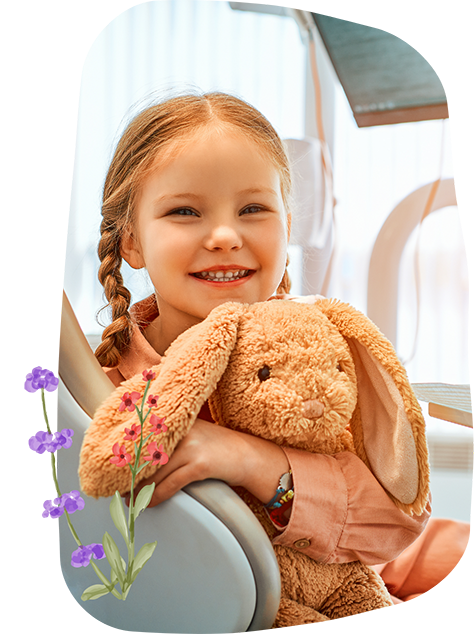
Whether your child has a fear of the dental office or physical or intellectual disabilities that make sitting through a cleaning challenging, our team always strives to make their experience a great one! In some cases, our team’s friendly demeanor and gentle touch are enough to help put your little one’s nerves to rest. However, if that’s not enough, we also offer several options for sedation dentistry for kids in Bellaire. If you believe your child could benefit from sedation dentistry, call our team today!
Why Choose Wildflower Pediatric Dentistry for Children’s Sedation Dentistry?
- Safe Dental Sedation Administered In-House
- Highly Experienced Working with Kids with Special Needs
- We Accept Dental Insurance & Medicaid
Nitrous Oxide Sedation
Many kids feel anxious about dental appointments, whether they need a routine checkup and cleaning or have developed an oral issue that requires a more complex procedure. Thankfully, Dr. Lydia understands that many children feel nervous when they see her, so she strives to make every visit as enjoyable and stress-free as possible.
One way our team can help your little one feel more at ease is with nitrous oxide sedation, also referred to as laughing gas. Continue reading to learn more about this service to help decide if it’s right for your child!
Who is a Good Candidate for Nitrous Oxide?
Many well-meaning parents assume that dental sedation is reserved for complex and surgical procedures, but that’s not necessarily the case. Dr. Lydia might also recommend nitrous oxide for children who have:
- A fear of needles that makes it difficult to apply a local numbing anesthetic.
- An overly sensitive or strong gag reflex.
- Dental sensitivity that triggers discomfort.
- Signs of anxiety or overstimulation during dental appointments.
- A hard time sitting still for longer periods.
If you think your child might benefit from laughing gas during their next visit to our office in Bellaire, please contact our office. We’re happy to provide more information based on their unique circumstances.
How Does Nitrous Oxide Work?
Nitrous oxide can help your child feel calm and comfortable during their procedure by slowing their central nervous system and reducing their body’s responses to external stimuli. It’s inhaled through a gas mask that’s placed over their nose while Dr. Lydia works, and the effects kick in almost immediately after inhaling.
Most patients experience a light or euphoric sensation and might also feel tingling in their limbs or get a bad case of the giggles. They’ll remain awake and aware enough to respond to questions or instructions but may not remember the details of their appointment afterwards. The medication leaves the system within minutes of removing the gas mask and typically doesn’t cause adverse effects.
Aftercare for Nitrous Oxide

The effects of laughing gas aren’t likely to linger for very long in your child’s system, but we may keep them for a few minutes after their procedure has been completed to ensure they don’t feel dizzy or nauseated.
Then, it’s usually okay to take them back to school or allow them to resume their usual activities. However, depending on the reason for their visit, Dr. Lydia might provide additional aftercare instructions to follow to help them recover effectively while avoiding potential complications.
IV Sedation
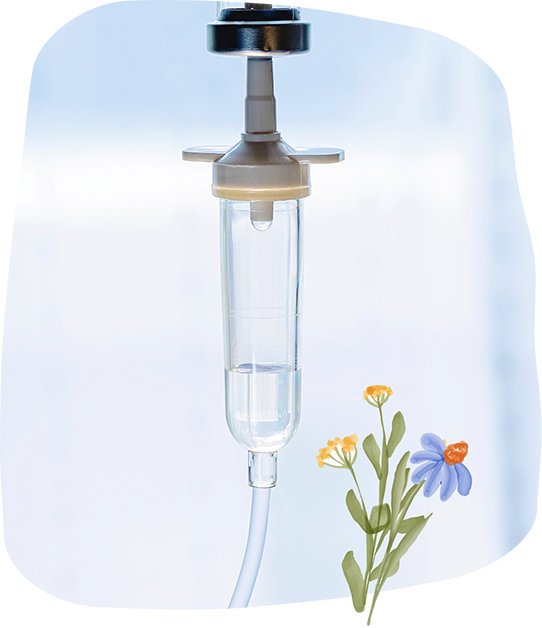
IV sedation is administered in-office and is the most potent form of sedation that we offer at the practice. The sedation medication is administered directly into your child’s bloodstream for near-immediate and strong effects, helping them sit comfortably in the treatment chair. In some cases, patients fall asleep during their appointments and don’t remember much about their visit. This can make IV sedation in Bellaire great for children who have severe dental phobias.
What is IV Sedation?

IV sedation is a method dentists use to induce deep relaxation during necessary dental treatment. The medicine provided is considered much stronger than nitrous oxide or oral conscious sedation, and it is delivered into your child’s bloodstream through an IV placed in the back of their hand. The level of comfort achieved allows children to remain at ease and unperturbed by their surroundings.
Who is a Good Candidate for IV Sedation?
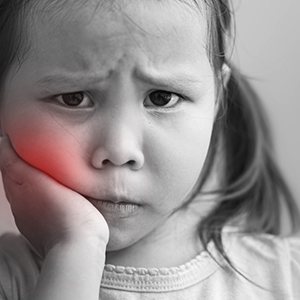
Determining your child’s candidacy requires that they meet with the IV sedation dentist first. This visit allows our team to review your little one’s medical history and determine whether any medications or conditions could negatively interact with this form of sedation. Most children who are considered good candidates for IV sedation include those who:
- Require lengthy dental treatment
- Have severe or extreme dental anxiety
- Have a sensitive or strong gag reflex
- Struggle to achieve numbness with other forms of anesthesia or sedation
- Have experienced dental trauma at another dentist’s office
The Benefits of IV Sedation
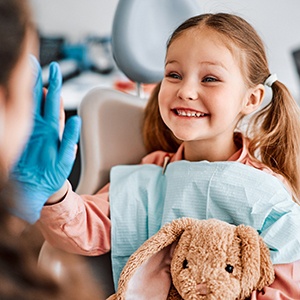
Children who receive IV sedation will experience great benefits, such as:
- A positive dental experience
- Greater comfort and relaxation during treatment
- Close monitoring from our dentist and team members
- Fast-acting effects
- The ability to receive dental care without added anxiety or fear
Experts who will adjust the dosage, if necessary, to ensure optimal comfort during treatment
Oral Conscious Sedation
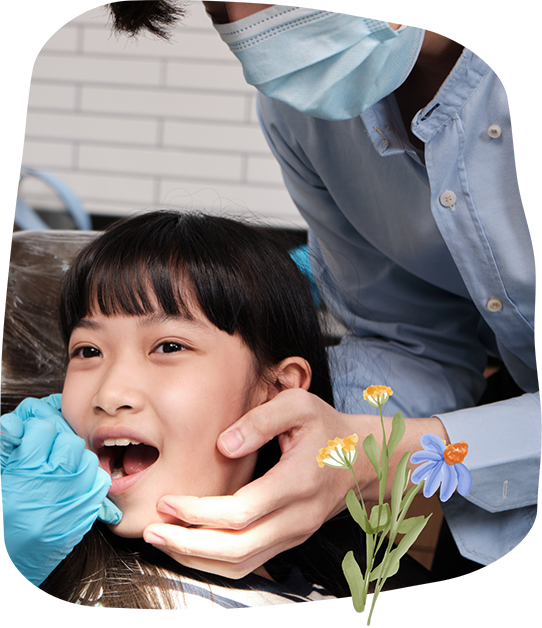
Many kids can get quite anxious about seeing their dentists, and oral conscious sedation can be a fantastic way to reduce fear or nervousness about oral healthcare or help a child remain still and calm throughout a dental procedure. Here’s a brief guide to how this treatment works, how it is administered, and how your child may be able to benefit from it, but please feel free to contact our office if you have any questions.
What Is Oral Conscious Sedation?

Oral conscious sedation is a more potent dental sedation method that can be administered before a child’s appointment. The effects of the prescribed medication, usually Valium, Ativan, or Halcion, will begin kicking in about fifteen minutes after your child takes it, allowing them to arrive at their treatment or cleaning feeling more comfortable and less nervous. Because the effects can last up to twelve hours, your child won’t be able to return to school until the next day. Oral conscious sedation involves no needles or face masks, which can make it an ideal treatment for many patients with dental anxiety.
How Does Oral Conscious Sedation Work?
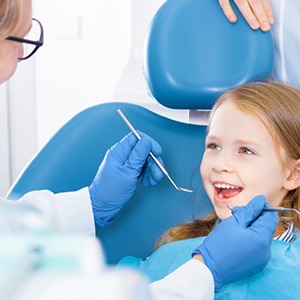
After the effects of oral conscious sedation begin, they will last throughout the entire appointment, and you will need to monitor your child for several hours after their procedure while the drug wears off. While sedated, your child should feel deeply relaxed and calm, and they may not be able to remember the treatment after the effects wear off, which can be beneficial for some kids with severe dental anxiety. During treatment, your child will remain aware and able to respond to questions and instructions, and the staff at Wildflower Pediatric Dentistry will carefully monitor their vital signs to ensure their safety.
Is My Child a Good Candidate for Oral Conscious Sedation?

Oral conscious sedation may be an excellent option for pediatric dental patients who deal with issues like:
- Severe fear, anxiety, or nervousness about seeing the dentist.
- Frequently feeling the need to cancel or reschedule appointments due to nervousness.
- Unusually sensitive gag reflexes.
- Needing to receive multiple treatments during one appointment.
- Difficulty remaining comfortable while holding their mouth open for prolonged periods.
- Resistance to the effects of other anesthetic methods.
- Unpleasant previous dental experiences.
However, the only way to know for sure if your child can benefit from oral conscious sedation is to schedule a consultation with Dr. Lydia at our office in Bellaire. During this meeting, she will carefully evaluate your child’s oral health, medical history, and list of current medications to determine the best way for them to receive effective and comfortable dental healthcare.
General Anesthesiology (Sleep Dentistry)
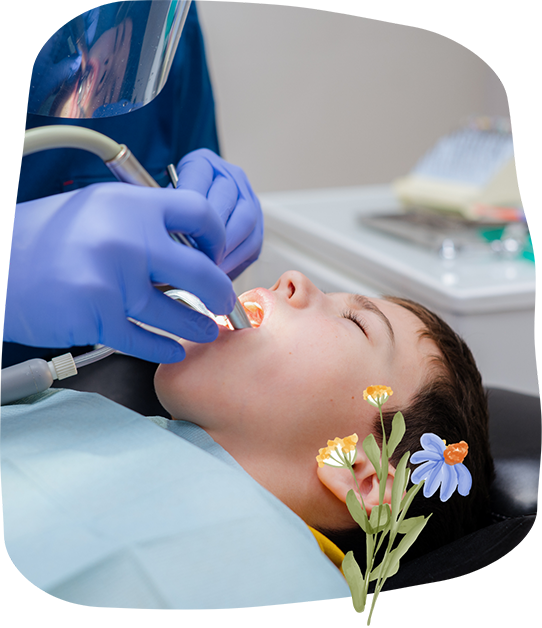
Lastly, Dr. Lydia also offers general anesthesia, which is administered by a trained professional in a hospital setting. Sleep dentistry is different from the type of sedation you would receive if you were undergoing a medical surgery—your child will still be able to breathe on their own, and they will just remain unconscious during their entire procedure (like taking a well-timed nap). We typically only recommend general anesthesia for children with disabilities that make undergoing dental treatment impossible while awake.
Sedation Dentistry FAQs
Is sedation dentistry safe for kids?
Sedation dentistry is a safe option for children when administered by a skilled, licensed professional. Finding a sedation dentist for children doesn’t have to be hard, especially when you rely on our team at Wildflower Pediatric Dentistry. Dr. Lydia ensures the safety and comfort of every child, regardless of the type of sedation she provides.
With nitrous oxide, oral conscious sedation, or IV sedation, she can help your child maintain better long-term oral health by minimizing nervousness and anxiety.
Although nitrous oxide is the most common and mildest form of sedation provided, she can recommend oral conscious or IV sedation if anxiety is heightened. In the most extreme cases, or if complex treatment is required, general anesthesia can also be provided.
How long does dental sedation last?
When considering how long the effects last after receiving sedation, you can expect your child to experience the following:
- With nitrous oxide, the effects will wear off almost immediately, allowing them to resume normal activities after their appointment.
- With oral conscious sedation, they will need to rest for a while after their appointment, as the medicine will take time to wear off.
- With IV sedation, you should expect your child to rest the remainder of the day to ensure the anesthesia wears off completely. The same is true with general anesthesia, as this is the only form of sedation that renders your child unconscious during treatment.
Will my child remember anything with dental sedation?
Temporary amnesia is a common side effect of dental sedation. It is nothing to be worried about, as it only lasts a short time. However, it is helpful for patients who struggle with past trauma or dislike dental appointments in general.
The stronger the method of sedation, the less likely your child is to remember anything from their appointment. No matter which type they receive, you can trust they will remain at ease and unfazed by their surroundings.
Is sedation dentistry covered by dental insurance?
Typically, sedation dentistry is not considered a covered service by dental insurance companies. This can feel defeating as a parent, but certain situations can be considered exceptions, such as:
- Your child requires sedation because of a physical or intellectual disability
- Your child’s physical ailment prevents them from sitting still for too long
- Your child needs multiple dental treatments during a single appointment
If your child does not qualify for any of the exceptions, you can ask Dr. Lydia or a member of our team about alternative payment options, including our in-house membership plan or flexible financing through Cherry.