
If your child gets anxious at the dentist, sedation dentistry is a great way to help them cope, turning stress into calm. But where does dental sedation fall on the scale of risk? When it’s administered by a trained, licensed professional, it sits very low, so you can have confidence in it. That said, if you want to know the ins and outs of dental sedation, keep reading below so you can make an informed choice for your child.
Nitrous Oxide
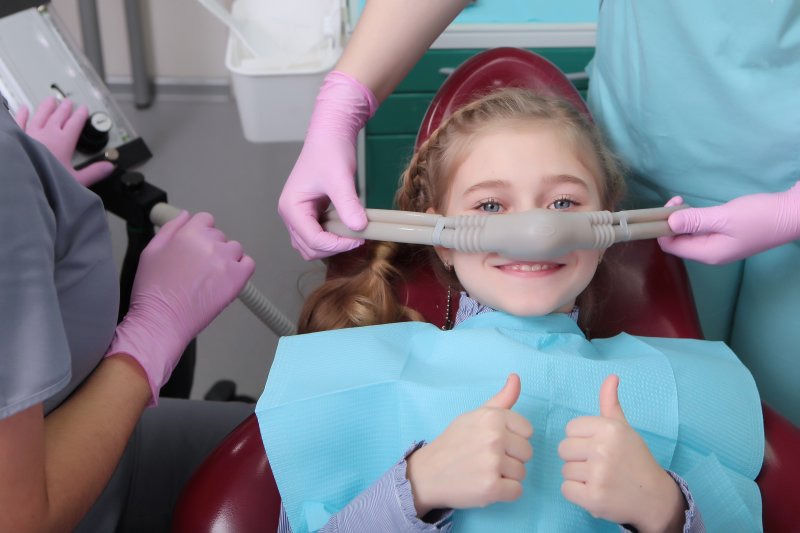
Often called laughing gas, nitrous oxide is the mildest and most common form of pediatric dental sedation. It’s inhaled through a small mask and helps kids feel calm and comfortable within minutes. The effects wear off almost immediately after the mask is removed, and most children can return to normal activities right after their appointment.
Oral Conscious Sedation
For children with more significant anxiety, oral conscious sedation is the next step above nitrous oxide. It’s given as a liquid or pill about 30 to 45 minutes before treatment and helps kids feel deeply relaxed. Even if they might feel a little sleepy, they’ll remain conscious and responsive throughout their visit. Because the effects can last several hours, it’s always best to have your child rest at home afterward.
IV Sedation
IV sedation is a stronger option reserved for children with severe dental anxiety or those who need longer or more extensive treatment. This type of sedation is administered directly into their bloodstream, where it works quickly and allows kids to remain comfortable and often dulls their sense of touch and time, so they might forget everything that happened once the effects wear off.
Though every form of sedation is closely monitored, extra care is taken with methods stronger than oral conscious sedation to ensure your child is safe and sound.
General Anesthesia
For children with disabilities or conditions that make dental treatment very challenging while awake, general anesthesia may be the safest path forward. Typically performed in a hospital setting, care is managed by an anesthesiologist, who monitors your child’s sleep and airway. Meanwhile, their pediatric dentist focuses entirely on their smile.
What Makes Sedation Safe?
Regardless of which method is used, safety comes down to training, monitoring, and a thorough review of your child’s medical history before any procedure goes forward. A good pediatric dentist will walk you through exactly what to expect and answer any questions to ensure you have peace of mind.
If your child struggles with dental anxiety or has other challenges that prevent them from getting the care they need, don’t hesitate to ask about sedation options. It’s safe, effective, and could make the difference between dental dread and a positive relationship with their oral health.
About the Author
Dr. Lydia is a board-certified pediatric dentist dedicated to making every visit to Wildflower Pediatric Dentistry a positive one. From nitrous oxide to general anesthesia, she offers a full range of sedation options to help even the most anxious kids feel safe and comfortable. Call (832) 409-3998 to schedule a consultation.